Color and Light - Ch 3
The form principle:

"In direct sunlight, there’s a strong division of light and shade. The light side includes the light and dark halftones, the center light, and the highlight. The center light is the point at which the light rays strike the form most vertically. The highlight is the point where, in a shiny surface, we see a reflection of the light source.
Note that the center light and highlight are not at the same location. The Terminator The terminator is the area where the form transitions from light into shadow. It occurs where the light rays from the source are tangent to the edge of the form. If the source is soft and indirect, the transition from light to shadow at the terminator will be more gradual. The form shadow begins just beyond the terminator.
To test which areas are in light and which are in shadow, you can cast a shadow with a pencil on the object. The cast shadow will show up only on the lighted side, not on the shadow side."
"In direct sunlight, there’s a strong division of light and shade. The light side includes the light and dark halftones, the center light, and the highlight. The center light is the point at which the light rays strike the form most vertically. The highlight is the point where, in a shiny surface, we see a reflection of the light source.
Note that the center light and highlight are not at the same location. The Terminator The terminator is the area where the form transitions from light into shadow. It occurs where the light rays from the source are tangent to the edge of the form. If the source is soft and indirect, the transition from light to shadow at the terminator will be more gradual. The form shadow begins just beyond the terminator.
To test which areas are in light and which are in shadow, you can cast a shadow with a pencil on the object. The cast shadow will show up only on the lighted side, not on the shadow side."
Try simplifying objects into their basic forms and using this principle to know how to shade them
Be aware of how you render texture that has lighting on it. In shadow, texture is really difficult for the eyes to see, but in half tones the texture can be seen really well because it has both light and shadows to show off the depth and texture.
Shadows will appear to be the color of what they're reflecting. So on bright sunny days shadows will be more blue because they're reflecting the blue sky, and will appear less so on overcast days.
This can clearly be seen in snow, because the shadows on the white snow appear blue form the sky.
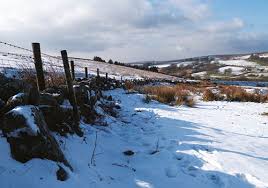

This same also applies to light reflecting off of other objects, the color of the object will reflect onto the surfaces around it


Conclusion about reflected light:
1. In shadows, up facing places are cool, and down facing planes are warm.
2. Reflected light falls off quickly as you get farther from the source, unless the source is very large
3. The effect is clearest if you remove other sources of reflected and fill light
4. The color of the shadow is the sum of all the sources of reflected illumination, combine with the local color of the object itself.
5. On a sunny day, vertical surfaces in shadow usually receive two sources of illumination: warm ground light and blue sky light
Shadows will be more sharp if there is a harsh lighting used, and softer if a softer lighting is used. Also, the farther a shadow is from an object the softer the edges will become.
You can also add half shadows to add a more dramatic effect to your pieces.

Three quarter lighting on a face typically leaves both eyes illuminated and a triangle of light on the side of the face with the shadows.

Edge lighting doesn't just make a line of light on the very edge but can fill more of the plane with light depending on the form

Contre Jour is when an object is covering the light source putting it into shadows and making it surrounded by a lighter background

"One way to make something look large in a nighttime setting is to have the light shine on just part of the form and fall of rapidly."

Shadows will appear to be the color of what they're reflecting. So on bright sunny days shadows will be more blue because they're reflecting the blue sky, and will appear less so on overcast days.
This can clearly be seen in snow, because the shadows on the white snow appear blue form the sky.
This same also applies to light reflecting off of other objects, the color of the object will reflect onto the surfaces around it


Conclusion about reflected light:
1. In shadows, up facing places are cool, and down facing planes are warm.
2. Reflected light falls off quickly as you get farther from the source, unless the source is very large
3. The effect is clearest if you remove other sources of reflected and fill light
4. The color of the shadow is the sum of all the sources of reflected illumination, combine with the local color of the object itself.
5. On a sunny day, vertical surfaces in shadow usually receive two sources of illumination: warm ground light and blue sky light
Shadows will be more sharp if there is a harsh lighting used, and softer if a softer lighting is used. Also, the farther a shadow is from an object the softer the edges will become.
You can also add half shadows to add a more dramatic effect to your pieces.

Three quarter lighting on a face typically leaves both eyes illuminated and a triangle of light on the side of the face with the shadows.

Edge lighting doesn't just make a line of light on the very edge but can fill more of the plane with light depending on the form

Contre Jour is when an object is covering the light source putting it into shadows and making it surrounded by a lighter background

"One way to make something look large in a nighttime setting is to have the light shine on just part of the form and fall of rapidly."


Comments
Post a Comment